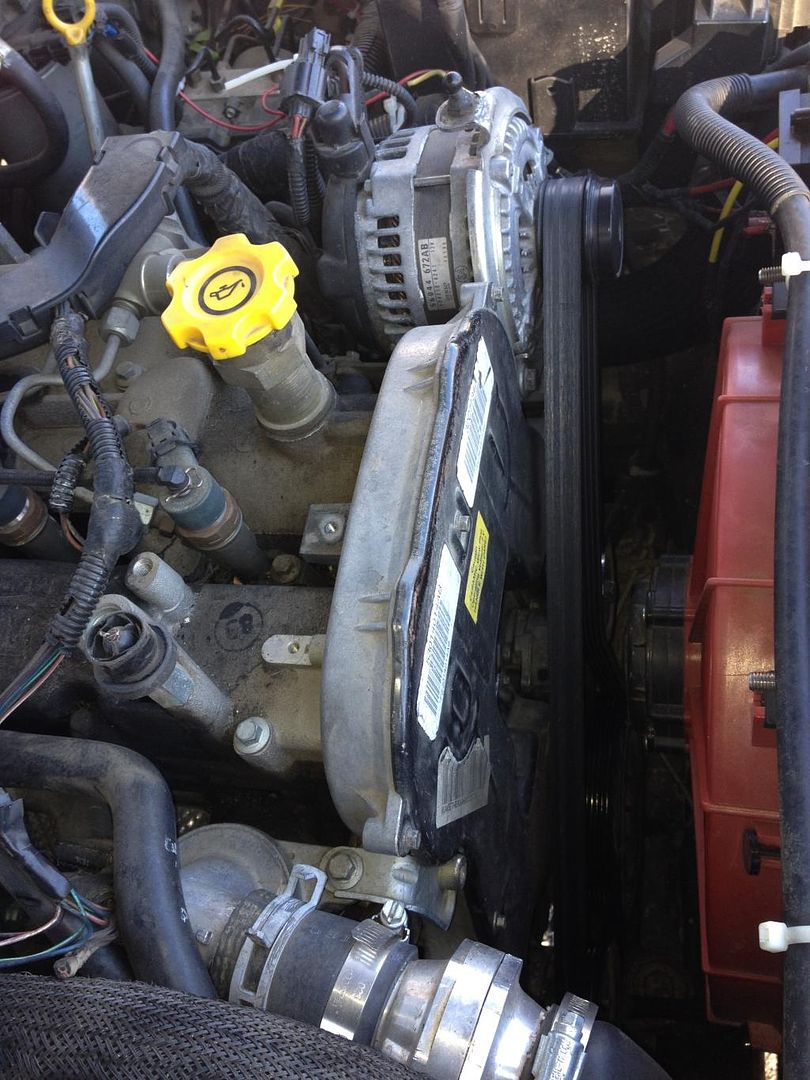
flman wrote:
TURBO-DIESEL-FREAK wrote:
"It did have a functioning inline Thermostat and a failed OEM thermostat that it has been running on for at least a year. I installed a redesigned thermostat that uses a standard style Changeable thermostat insert."
xhizzous: This is what caused your head gasket failure... it is indeed too bad that you got my thermostat installed too late to make any difference.
"Besides what is that HDS thermostat you said you put in?"
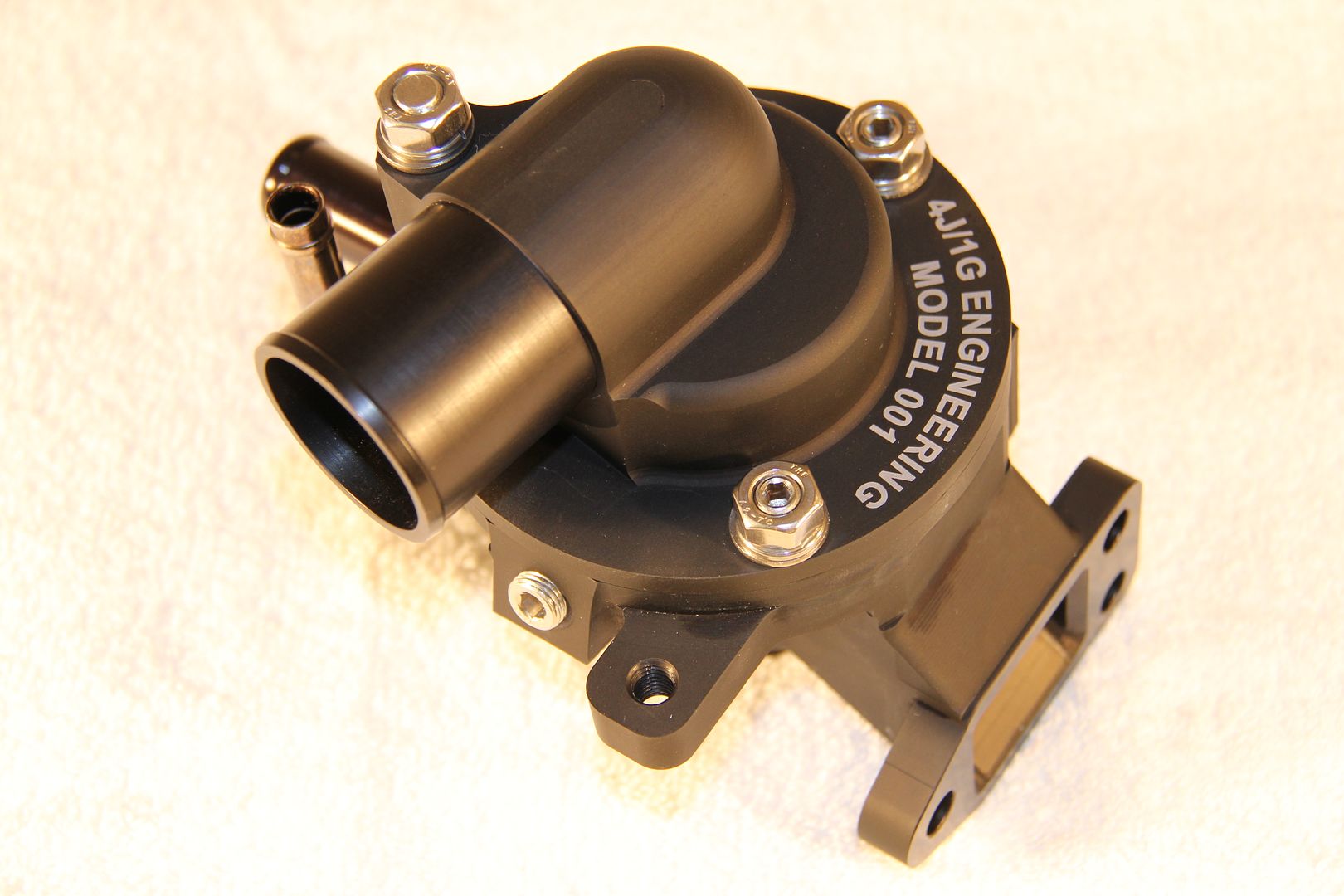
flman: The Hot Diesel Solutions Model 001 engine thermostat assembly is my product, and the only viable aftermarket upgrade for the cold running CRD engine problem available today.
Thanks, I fell out of the picture for a while and did not catch on to the new name. I thought it was TDF tstats?
Any ways my OE ones are capable of getting to normal if I do not run the heat, or run it after it has warmed up. Will you tstats bring the needle to straight up on a cold engine with the heater running? And how long does it take to achieve this at 20 degrees at 45 to 50 MPH?
People probably called it the TDF thermostat because of my Username. It is actually the H.D.S. Model 001.
There is misinformation out in CRD land that the O.E. engine temperature gauge is accurate... it is most definitely not. The O.E. gauge is not linear in its measurement, and it can not be trusted. Even a brand new O.E. thermostat does not have the appropriate opening temperature for your CRD, especially in cold weather. I ship the Model 001 out completely assembled and ready to install on your CRD engine with a 203 degree thermostat valve already installed inside. It will get your engine up to proper operating temperature even in the coldest weather.
The main reasons I developed the Model 001 is as follows, number 1 being the most important...
1) The O.E. thermostat assembly is set to open at 176 degrees Fahrenheit. This is far too low for proper operation of a modern diesel engine, especially one with pollution control systems on it. The best reason I heard why they did this was V.M. Motori was forced to try and fight NOX, (Oxides of Nitrogen), pollution for the new pollution standards that were coming in 10 years ago. The problem with this is that the low engine temperature is one of the main reasons for the following...
A) ...a poorly performing exhaust gas recirculation system and crankcase ventilation system. Both of these systems require the engine to be HOT to have a chance at working properly. If the engine is running cool, these outdated and badly conceived systems cause the engine to fail on a consistent basis with completely clogged out intake tracts.
B) ...a cool running engine - especially a diesel engine - uses more fuel, has more reliability issues and performs poorly. Diesel engines must run HOT, (about 200 degrees), to be most efficient. In the case of the CRD, if the engine is running too low, the viscous heater is engaged more often. This causes parasitic drag on the engine, much like running your air conditioning all of the time.
2) The entire O.E. thermostat assembly must be replaced when changing thermostats on the CRD. This is an excellent example of proprietary technology, where the manufacturer designs a part in such a way that the aftermarket will not bother to copy it because it is too expensive to do so. The vehicle owner is then forced to go to the authorized dealer to purchase another official O.E. part at over-inflated prices. I designed the Model 001 with a removable cap to be serviceable, and therefore inexpensive to replace thermostat valves. The valve I have chosen was in consultation with a Stant engineer, who helped me choose a thermostat valve, (the valve used in the Chrysler Hemi V-8 line of gasoline engines), that was...
A) ... commonly available.
B) ... will be made for many years to come.
C) ... is larger for better hot weather/heavy load performance.
D) ... is available in two or three hotter opening temperatures so the customer has a choice in what he or she chooses.

 Login
Login Register
 FAQ
FAQ Search



 Good to add to the spare parts inventory I have.