|
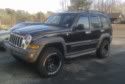
The exact same vehicle that is in your driveway is rated to tow 7700 lbs in Europe, and can EASILY do that travel trailer with the right equipment and loading.
Your problem won't be the weight, it will be wind resistance. How large is the TT? Height? Sloped front end? Width? The more it pokes past the edges of your CRD, the more wind resistance it will give you.
I use my CRD to pull 70kw generators around. These things weigh in at 6800 lbs fully fueled, and are just about the same size as the CRD. The last one that I pulled also had 500 feet of "feeder" cable with it, 5 coils of 1-inch-diameter copper cable wrapped in heavy rubber. That cable weighs about 60 lbs per 100 foot, so there is another 300 lbs or so of weight I was dragging, plus my CRD was full of film equipment at the time too.
I wouldn't expect 30mpg when pulling like that, but I got about 18mpg with that heavy hauling. You will be VERY hard pressed to find a pickup that will do the same job and get even that much mileage while doing it.
The biggest thing I have pulled, both physical size and weight was my own 20' enclosed car-hauler trailer. This is a 7.5x20 Haulmark trailer, weighs in at 2000 empty, is 7.5' wide, stands about 8' tall from the ground... And when loaded behind the axles as much as I possibly could, STILL was putting down 1000 lbs of tongue weight onto my CRD. I don't like how the axles were placed on the design of that trailer, and I only pulled it with the CRD for a short distance loaded. It weighed 7k full. But the CRD handled it exactly the same as when I had bought the thing and pulled it on the highway empty - The wind resistance wouldn't let me go faster than 65.
Sway? The only time I have had sway issues was towing another vehicle, my Jeep Grand Cherokee with a tow bar. Without having ANY tongue weight, when you hit the brakes, the trailer (Jeep) would try and "push" through the ball, and would make the back wheels lighter than they should have been, causing some potential loss of control. This has been solved completely by intentionally using a drop hitch. Now the tow bar points down toward the CRD, and when stopping, exerts massive downward tongue weight to stabilize instead of de-stabilize.
So that is how you want to get your TT loaded - Not excessively ball-heavy, but just a few hundred lbs on the ball. Don't go for that generic "10%" garbage, load it smart so that the TT's frame and the frame of your CRD remain parallel to the ground. If you can see sagging at the ball, move more gear to behind the axle to lighten the ball some. "Weight distributing hitch" contraptions are just designed to try and force the frames back to parallel, they don't address the underlying problem of improper loading. I don't use any special towing equipment, just stronger tires (Load Range C) and I might consider heavier rear springs the next time I change the shocks. Your loading is the most important and controllable thing you can do to decide how you want the tow to feel.
Ultimately, the best thing to try would be take the trailer out for a drive as-is, and see how you like the performance. You won't hurt anything on your CRD by spending a day dragging the trailer around, you are WELL within the actual capabilities of the engine and transmission. Just don't beat on it and the torque converter will be fine.
_________________
Proud supporting vendor of LOST Jeeps
TRAVELING CRD TECH. I come to you!
Need help? Just ask! I've taken it apart more than most.
Email jeep [at] maincomputer [dot] com - BOARD MESSAGING IS BROKEN
Over 225 CRDs currently driving with my valves, timing belt, rockers, or ARP Studs.
Bad noises = REALLY bad things.
|

 Login
 Register
 FAQ
 Search