geordi wrote:
Yea, I had heard about that too. My question about the Volt is still unanswered - Yea, you have 40 miles (maybe) of pure electric operation, then 360 miles of gas operation for the range of 400 miles. But can you then just refill it, and get another 360 miles instantly without waiting for the plug-in charge?
Yes, in theory. Like the Prius, when the batteries are drained it is supposed to run 100% on the gas engine. You charge the battery pack overnight, get your 40 miles of lower emissions driving (due to the inherently greater efficiency of a centralized generation plant), then when they are drained you drive the gasser engine, just like the current Prius and Ford Escape hybrids due when their batteries are drained. There are plug-in hybrid kits that can be added to Prius to do this right now with their ni-cad batteries (just expensive as hell and only gives you a short range, like 5-10 miles).
The Volt's main problem is that it is vaporware... lots of great press releases and press conferences, but Chevy is years behind Toyota in bringing this kind of technology to market. When some reporter told him that Chevy was claiming they would have a reliable lithium ion battery system ready to go in 2010, the CEO of Toyota's hybrid division burst out laughing. Don't expect to see a quality GM hybrid in 2010, or 2012 for that matter, unless they license the tech from Toyota (as Ford and Nissan did).
geordi wrote:
The first few GM "Hybrids" and even the first version of the Escape / Mariner were not hybrids at all. They were regular gas engine systems, with really oversized starters and the starting system from a John Deere Gator 6x4. Step on the gas, the engine starts and you go. Stop, and the engine stops.
Not really true. The Escape and Mariner use the same hybrid drive system as the first generation Prius (they paid Toyota to license it). You run the batteries till they are drained. Keep an Escape hybrid under 25 mph, and you can run it entirely off the batteries (until they die). If you take it faster, the gasser cuts in. This is in large part because Toyota stuck them with 10 year old technology and the battery packs can't hold enough juice to do much more than that. A current Prius works the same way, but its lighter and has better batteries. It can stay under full electric up to 35 mph and maintain it for quite a while.
The auto engine start/stop isn't a hybrid thing (though most hybrids have them). Ford has said they are putting it in their V8 pickups next year. Chrysler and GM have systems to shut down half the cylinders in a V8 at cruising speeds to reduce fuel consumption (already available in some Hemi trucks and such).
The two main hybrid designs are the Toyota approach of running a vehicle on electric power with a gas assist (that can take over when the batteries are drained) and the Honda approach of running a vehicle on a tiny gas engine and using electric power to help it accelerate and maintain speed. Toyota, Ford, Nissan, and the Chevy Volt fall in camp A. The stupid GM "hybrids" being sold today, along with the hybrid Chrysler Aspen, fall in Camp B (though they get almost no real improvement in MPG over a standard vehicle).
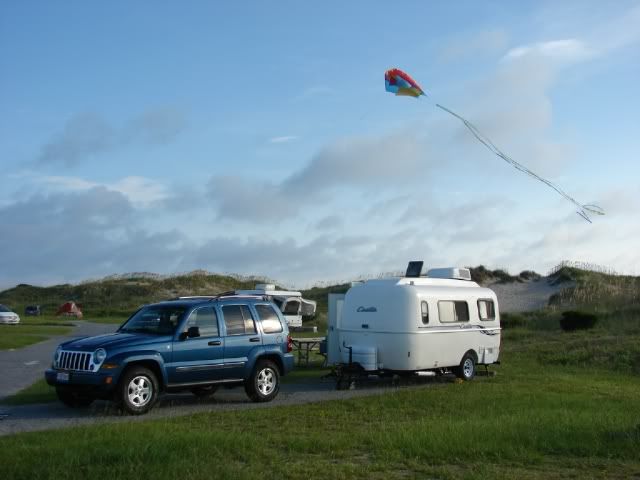
Your towing experience is interesting. While we love the torque of our diesel CRD's, no internal combustion engine can come anywhere near matching the torque on demand of an electric motor. That is why the beefiest locomotives run on electricity (provided by on board diesel generators). If the battery technology ever gets good enough, it would be interesting to see big rigs powered by electric motors transporting freight. I'd imagine you could almost do that now with a small diesel generator on board the rig powering electric motors at the axles.

 Login
Login Register
 FAQ
FAQ Search


 Nice change of pace from the tech at the Jeep dealer where I bought my CRD who said "hey I didn't know they put a diesel in these things!"



 Engines under 25 HP will have them by 2011.

 As I recall there were 128 things Powers came up with and they are addressing them all. Even needing more cup holders